
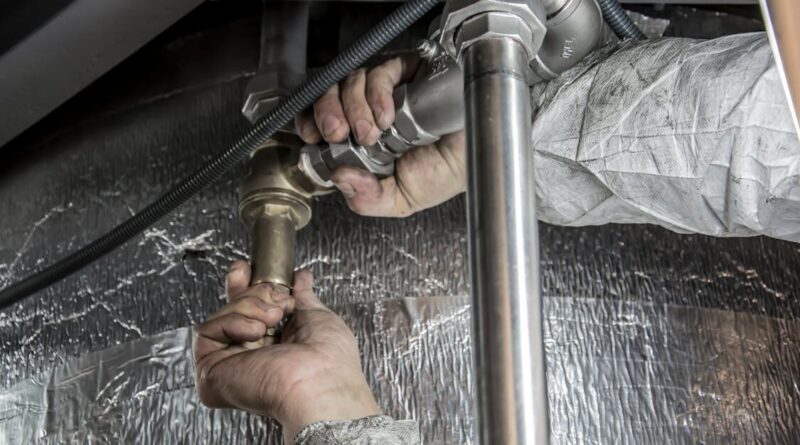
Your Pipe Burst at 3AM. Here’s What Your Insurance Won’t Tell You.
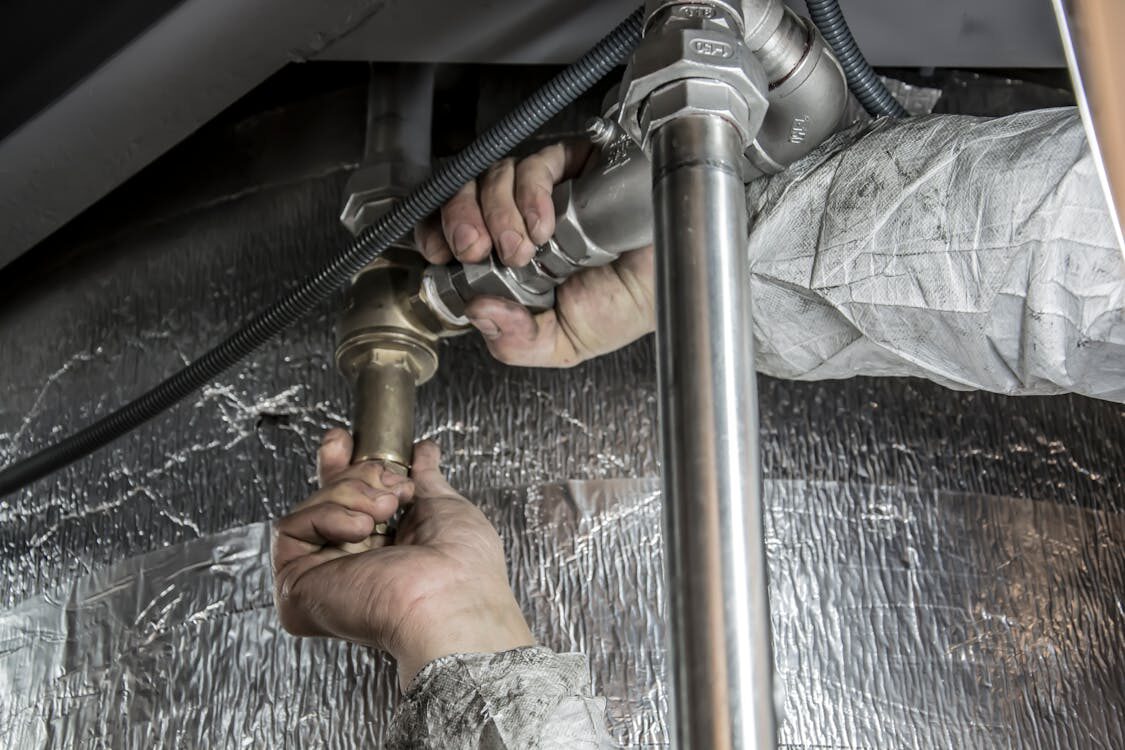
So my sister called me at 3:47 AM last February. I remember the exact time because I looked at my phone and thought someone had died. Nope—just her kitchen ceiling caving in from a burst pipe upstairs.
Her first words weren’t “help” or “what do I do”—they were “this is covered, right?” And honestly? That’s the right question. Because the answer is… it depends. (I know, I know. The most annoying answer in insurance.)
Look, I’m gonna be real with you: water damage claims were some of the messiest I handled during my six years adjusting. Not because the damage wasn’t real—it absolutely was—but because there’s this enormous gray area between “sudden and accidental” (covered) and “gradual damage from neglect” (absolutely not covered). And guess which side your insurance company wants to land on?
The Magic Words: “Sudden and Accidental”
Here’s the thing though. Your standard homeowners policy covers water damage that’s sudden and accidental. A pipe bursting in a freeze? Covered. Your water heater exploding? Covered. Your kid leaving the bathtub running until it floods the first floor? Covered (also, ground that kid).
But—and this is where it gets reckless—if that pipe burst because it was rusting for three years and you ignored it? If your water heater was making concerning noises since 2019 but replacing it seemed expensive? If there were “slow leak” signs you missed? The insurance company might argue that’s maintenance neglect, not sudden damage.
My sister’s claim? It took them eight weeks to pay out. Eight. Weeks. They sent an adjuster who literally got on his hands and knees looking for evidence of prior water stains, checking if the pipe showed “long-term corrosion.” She ended up getting about $34,000 after her deductible, but damn—the stress of those two months almost broke her.
What’s Actually Covered (The Real List)
Okay, so according to the Insurance Information Institute, here’s what your typical homeowners policy covers for water damage:
- Burst or frozen pipes — The classic. When water expands from freezing and cracks your pipes, that’s covered. Comprehensive, my nosiest chicken, once tried to roost on my outdoor spigot in winter. Didn’t end well for my pipes that year.
- Accidental overflow — Tub overflows, toilet overflows (the worst kind of water damage, trust me), dishwasher malfunctions. All covered.
- Water heater failures — When it goes, it really goes. I’ve seen claims for $50K+ from water heater explosions.
- Appliance leaks — Washing machine, ice maker line, you name it. As long as it was sudden.
- Wind-driven rain — If a storm blows rain through your roof or windows, that’s covered.
And here’s what’s NOT covered (the stuff people always think is covered but isn’t):
- Flooding — I cannot stress this enough. Flood water from outside (rising rivers, storm surge, heavy rain that overwhelms drainage) is NOT covered by homeowners insurance. You need separate flood insurance for that. People learn this the hard way every hurricane season.
- Sewer backup — Unless you specifically added a sewer backup endorsement to your policy. Check your dec page right now. Seriously.
- Gradual leaks — That slow drip under your sink that’s been going for months? The mold behind your shower that’s been growing since you moved in? Not covered. They’ll say you should have caught it.
- Maintenance issues — Old pipes you never replaced, worn-out washing machine hoses, clogged gutters that caused backup… maintenance is on you.
The “Sudden vs. Gradual” Fight You’re Going to Have
Real talk: this is where most water damage claims get messy. Your insurance company has adjusters (like I used to be) trained to look for evidence of gradual damage. They’ll photograph water stains, check for rust patterns, look at the age of your plumbing, interview you about when you first noticed problems.
I once denied a claim—and I still feel bad about this—because the homeowner admitted in casual conversation that “oh yeah, there was a tiny drip last month but I put a bowl under it.” That “bowl” comment got put in my report. Claim denied for failure to mitigate known damage.
So what do you do?
Document everything immediately. The second you discover water damage, take photos and videos. Timestamp them. Show that this JUST happened. If you can, photograph the actual source of the leak while it’s still actively leaking.
Don’t admit to prior knowledge. I’m not saying lie—absolutely don’t lie—but don’t volunteer information about how you “thought you smelled something musty last month.” Just describe what happened, when you discovered it, and what you’ve done since.
Call your insurance company fast. Waiting makes it look like maybe it wasn’t so sudden. Most policies require you to notify them “promptly.” I’d say within 24 hours is ideal.
Mitigate further damage. This means: turn off the water. Mop up what you can. Put out buckets. Move your stuff. Your policy requires you to prevent additional damage. Don’t just let it keep flooding while you wait for an adjuster.
The Water Damage Categories You Should Know
So adjusters categorize water into three types (because of course we have to make everything complicated):
Category 1: Clean Water — Burst pipes, supply line leaks, rainwater. This is the “good” water (as if any unexpected water in your house is good). Cleanup is relatively straightforward.
Category 2: Gray Water — Washing machine overflow, dishwasher leaks, aquarium breaks. Contains some contaminants. More expensive to clean up.
Category 3: Black Water — Sewer backup, toilet overflow with… you know… flood water. This is hazardous. Requires professional remediation. I’ve seen category 3 claims hit six figures because everything the water touched has to go.
Why does this matter? Because your payout is going to vary dramatically based on category. A category 1 leak might need carpet cleaning and some drying fans. A category 3 backup might require gutting your entire first floor.
What to Do at 3AM When Your Pipe Bursts
Since I just know someone’s reading this in a panic right now with water literally flooding their house, here’s your quick action list:
- Turn off the main water valve. Find it NOW if you don’t know where it is. (Should have done this before you needed it, but here we are.)
- Turn off electricity to affected areas. Water + electricity = very bad.
- Start documenting. Photos, video, narrate what’s happening.
- Call your insurance company’s 24-hour line. Yes, they have one. File the claim immediately.
- Start removing water. Towels, mops, wet-vac if you have one. Open windows if weather permits.
- Move what you can. Get furniture off wet carpet. Prop up cushions. Save what’s saveable.
- Call a water damage restoration company. Your insurer may have preferred vendors, but you can use whoever you want. Just keep ALL receipts.
Understanding Your Claim Process
Okay so you’ve filed. Now what? Here’s how it typically goes:
An adjuster (hi, former me) will be assigned within a day or two. They’ll schedule an inspection—usually within a week for water damage because it’s time-sensitive. They’ll photograph everything, measure affected areas, and ask you a bunch of questions. Be honest but don’t over-share.
They’ll write an estimate. You’ll probably think it’s too low. You’re probably right. This is where you need to get your own estimates from contractors. If there’s a significant difference, you negotiate. Don’t just accept the first offer.
If you had to pay for emergency remediation out of pocket, keep those receipts. Your policy should reimburse reasonable emergency expenses. “Reasonable” is the key word—don’t hire the most expensive company in town without getting a few quotes.
The whole process can take anywhere from a few weeks to several months depending on damage severity. My sister’s eight-week ordeal was actually pretty average for a mid-size claim. I’ve seen simple claims close in two weeks and complicated ones drag on for six months.
How to Not Be My Sister
Some prevention stuff since I care about you not going through this:
Know where your water shutoff is. Practice turning it off. Make sure everyone in your house knows where it is.
Inspect your pipes annually. Look under sinks, behind toilets, around your water heater. Look for corrosion, dampness, mineral buildup.
Replace washing machine hoses every 5 years. Those rubber hoses get brittle. Spring for the braided stainless steel ones—they’re like $30 and last way longer.
Keep your heat on in winter. Even if you’re traveling. Pipe freezes happen when interior temps drop below 55°F. That “saving money on heating” idea can cost you $50K in burst pipes.
Insulate exposed pipes. Especially in attics, crawl spaces, and exterior walls.
And for the love of all things good, know how to file a claim properly before you need to. Reading your policy now, when you’re calm, is so much better than trying to interpret it at 3AM with water pouring through your ceiling.
Liability just knocked over her water dish for the third time today. Even my chickens are trying to cause water damage. Anyway—stay dry out there, and remember: sudden and accidental. Those are your magic words.